Kitchen Plumbing
Your kitchen sink sees more daily use than almost any other fixture in the house, which means kitchen plumbing issues tend to show up sooner rather than later.
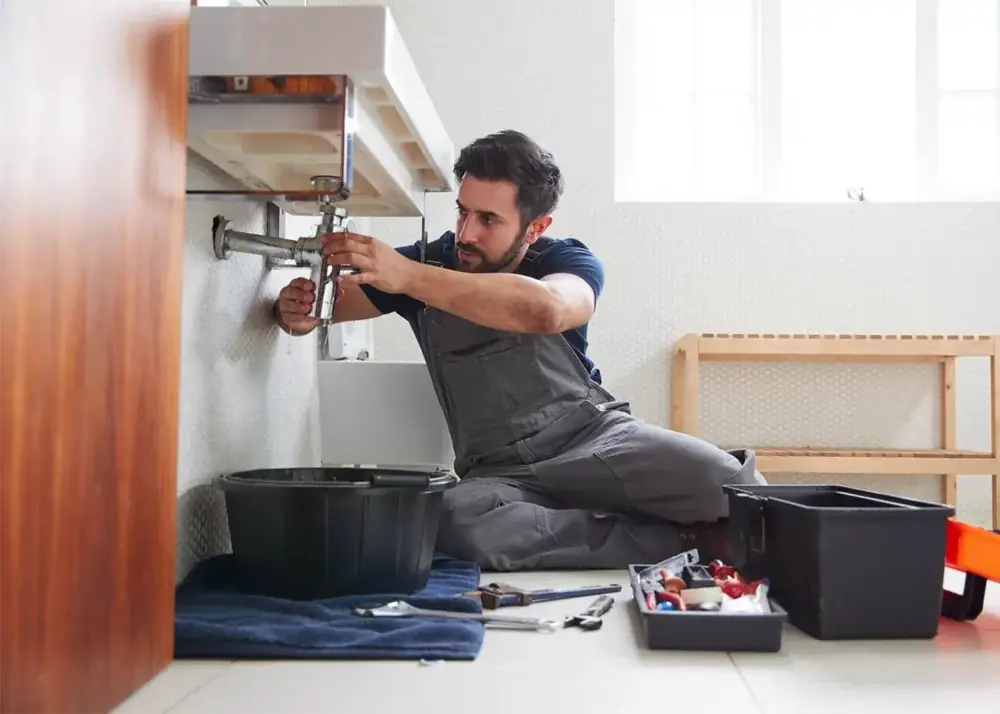
Common Kitchen Plumbing Issues
- Clogged or slow-draining kitchen sinks
- Garbage disposal leaks or failures
- Leaking supply lines under the sink
- Low water pressure at the kitchen faucet
- Dishwasher supply and drain line issues
Why Kitchen Leaks Deserve Quick Attention
A slow leak under a kitchen sink can quietly damage cabinetry and flooring before it's ever noticed on the surface. If you've spotted dampness, warped wood, or a musty smell near your kitchen sink, it's worth having it looked at.
What Usually Causes It
Slow kitchen drains are typically grease and food residue building up along the inside of the pipe over time — even careful habits don't eliminate this completely. Disposal leaks usually trace back to a worn seal where the unit connects to the sink or drain line. Low pressure at the kitchen faucet is often a clogged aerator, though it can also point to a supply line issue.
When It's Worth a Call
An occasional slow drain is common. It's worth calling when a clog keeps returning after clearing it, when you notice dampness or a musty smell in the cabinet under the sink, or when a disposal leak doesn't stop after tightening visible connections.
Related Services
From the blog: How to Prevent Clogged Drains
Planning a new install? See our kitchen plumbing services page for sinks, disposals, and appliance line installation.
Kitchen Plumbing FAQ
What causes a garbage disposal to leak?
Leaks are often caused by worn seals or loose connections at the disposal unit itself, which we can typically repair or replace.
Why is my kitchen sink draining slowly?
This is usually a clog somewhere in the drain line, ranging from a simple blockage to a more stubborn buildup further down the pipe.
Do you install new kitchen faucets?
Yes, we can install a kitchen faucet you've purchased or help you with the plumbing connections for a new one.